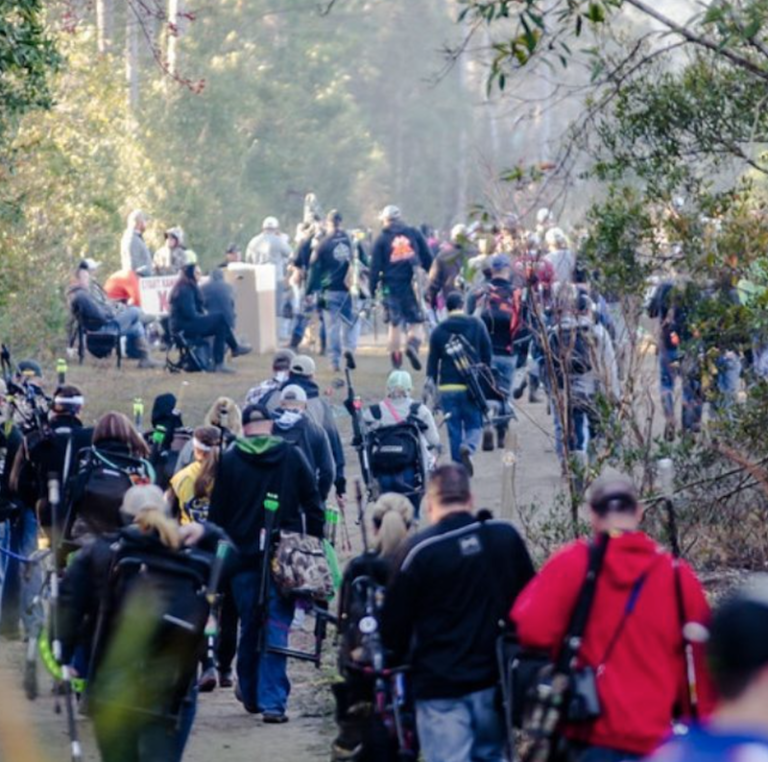
My first Total Archery Challenge event was about nine years ago. Like most things outside my comfort zone, I was equal parts nervous and excited. I’d heard great things about TAC from friends who had attended before. Everyone talked about the people, the sense of community and the challenging but incredibly fun courses. They were right on all accounts.
I learned a few lessons the hard way while shooting my first TAC event. Now, as I prepare for my next TAC, this is the advice I’m giving myself.
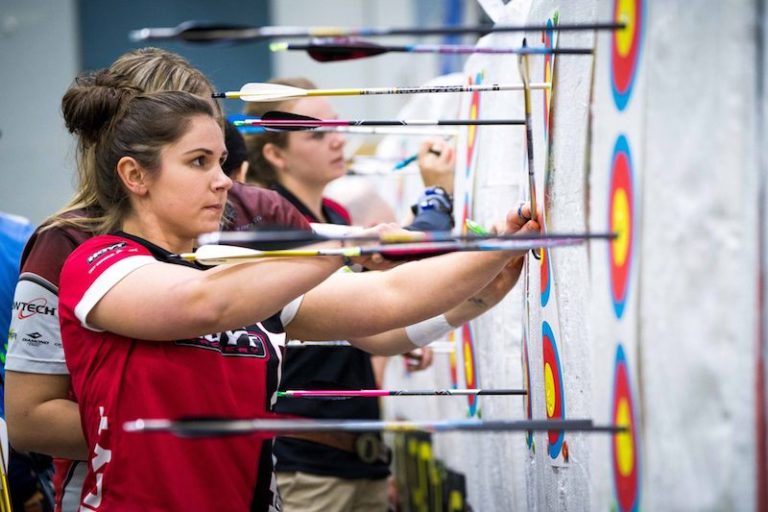
Arrows to just “fill your quiver” aren’t enough. Bring at least a dozen, ideally closer to 18, arrows. Keep your extras in an arrow case strapped to the side of your pack rather than sticking loose arrows in exterior pockets.
TAC courses are famous for challenging shots that test your confidence and your equipment. While losing arrows isn’t nearly as common as some people fear, it does happen. If it does, there’s nothing worse than spending your day worrying about every shot because you’re running low on arrows.
One of the biggest mistakes you can make is showing up with an unverified sight tape. Before every TAC event, I recommend shooting out to at least 80 yards (bonus points if you can stretch it out to 100 yards or further).
Long-range practice exposes any inconsistencies in your setup. A sight tape that looks perfect at 40 yards can start to drift significantly at 70 or 80 yards. Those errors become painfully obvious on a TAC course where many shots stretch well beyond typical hunting distances. The more confidence you have in your sight tape, the more you’ll enjoy the experience. Plus, the further you shoot, the more confident you’ll feel at closer shots.
While we’re on the topic of long-range shooting, third-axis adjustment is critical for accuracy at distance. If your third axis isn’t set correctly, you’ll start seeing left or right misses when shooting far or at severe inclines and declines. The farther the target is and the steeper the angle, the more noticeable those misses become. Taking a few minutes to verify your third axis before the event can save a lot of frustration later.
Most TAC events take place in areas with rugged terrain, and steep shooting angles are part of the challenge. If you spend most of your time shooting on flat ground in your backyard or at a local range, those angles can feel awkward. Find a way to practice both uphill and downhill shots beforehand. Focus on bending at the waist rather than dropping or raising your bow arm. This helps maintain your normal anchor point and prevents form breakdown.
You’ll have fun no matter what bow setup you bring, but I think shooting your hunting rig is the best way to experience TAC. Use the same arrows, sight, stabilizers and accessories you plan to hunt with in the fall. A TAC event is the ultimate stress test for your equipment. By the time you finish a full course, you’ll know more about your setup than you would after an entire summer of shooting in your backyard. If you notice areas for improvement, you have time to make adjustments before hunting season.
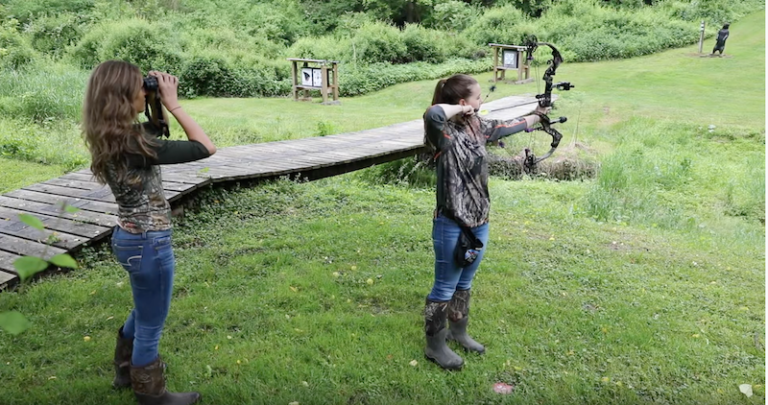
A good pair of binoculars is a must have for identifying the scoring rings. I like the 8×32 or 8×42 configuration because lower magnification brings more light in, allowing enough brightness and image quality to spot rings on a 3D target. If you’re not the first person to shoot, use your glass to spot your partner’s shot and use their arrow as a reference point to find the 12-ring.
If you haven’t shot a Total Archery Challenge event, do yourself a favor and sign up. If you have a group of hunting buddies you normally hunt with, bring them. But if they can’t make it, don’t let that stop you. Shooting with complete strangers can quickly become good friends. The archery community is full of good people, and TAC is one of the best places to meet them. Whether you show up with a group or go solo, you’ll leave with a better understanding of your equipment, more confidence in your shooting, and a few stories you’ll be telling long after the last target.