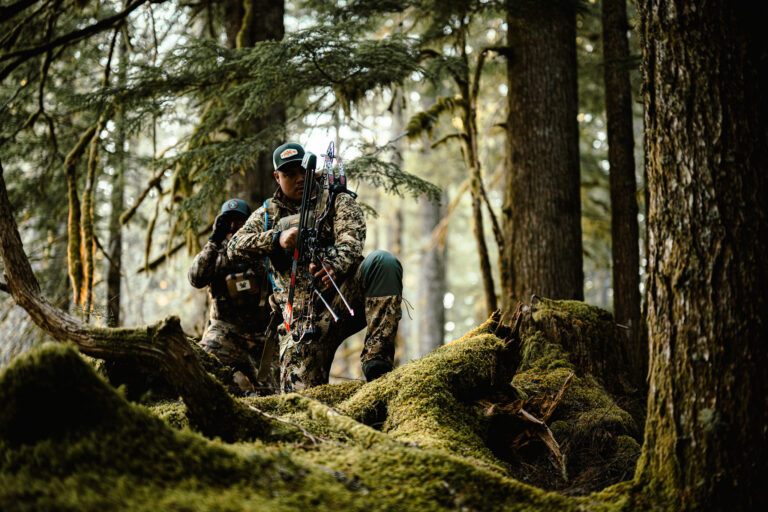
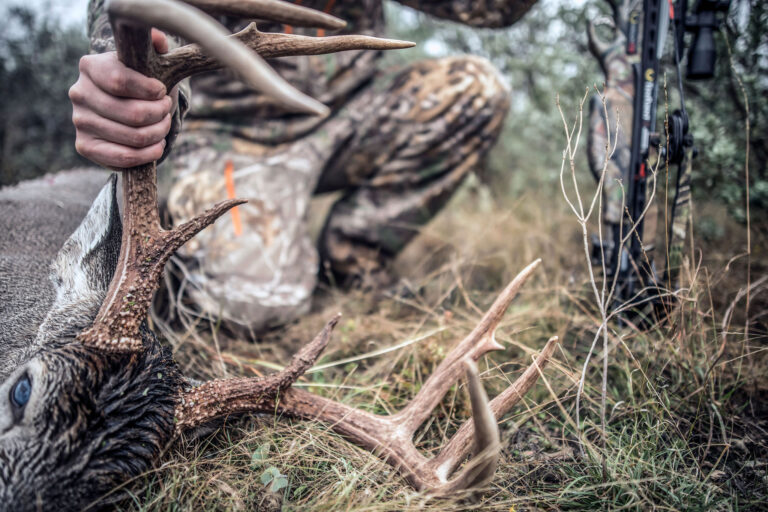
For us as bowhunters, two questions always come up: where can we hunt, and what’s stopping us from getting there? With the country celebrating its 250th anniversary, our hunting heritage is getting real attention, and that attention is turning into action. Since August, the administration has made two moves that speak directly to bowhunters’ questions, and both of them center on access to federal land.
In August, the Department of the Interior finalized what it calls the largest expansion of hunting and sport fishing opportunities in the history of the U.S. Fish and Wildlife Service. The rule adds 1,488 new hunting and sport fishing opportunities across 32 states, and more than 92 million acres, or over 95% of National Wildlife Refuge System lands, will be available for hunting. That includes first-ever hunting or sport fishing opportunities at 14 national wildlife refuges, along with expanded upland game, migratory bird and big game hunting across additional acres.
On Sept. 17, President Donald Trump followed with the executive order “Reinvigorating America’s Hunting Heritage.” It sets a policy of expanding hunting on federal land and directs agencies to propose changes that would generally allow hunting unless a closure is justified by local resource conditions, with national parks excluded. It also calls for prioritizing voluntary easements, land exchanges and cooperative agreements to improve access to hard-to-reach federal land, which could ease some of the conflict between private landowners and public land hunters. For those of us who hunt public land, getting to the ground is often half the battle. The specific changes are still to come.
For bowhunters, this is a big year on the federal front. More access could mean more people picking up a bow and heading to the field, and that could mean more funding for conservation. As bowhunters, we’re already part of that equation: archery equipment purchases help fund the Pittman-Robertson Act through an excise tax, and that money goes back to state wildlife agencies for conservation. Tag and license sales matter too, since they also provide funding to those agencies. If these expanded opportunities create more bowhunters, more tag sales and more gear purchases, that means more funding for conservation, and the future of bowhunting for decades to come looks bright.
To stay up to date on everything impacting the bowhunting community, join Bowhunters United for free.