When deer season ends, it’s easy to stash your bow in its case and mentally check out until summer. But the bowhunters who consistently shoot well in the fall are usually the ones who never stop practicing. Indoor archery offers a low-pressure, controlled environment to stay dialed. If you approach it the right way, indoor archery will make you a better hunter when next season rolls around.
At its core, indoor archery is about repetition. Practicing year-round keeps your muscles conditioned, your form consistent and your gear familiar. Instead of dusting off your bow in August and scrambling to remember anchor points, peep alignment and release tension, you’re already there. That alone shortens the learning curve when it’s time to tune broadheads and finalize setups before opening day.
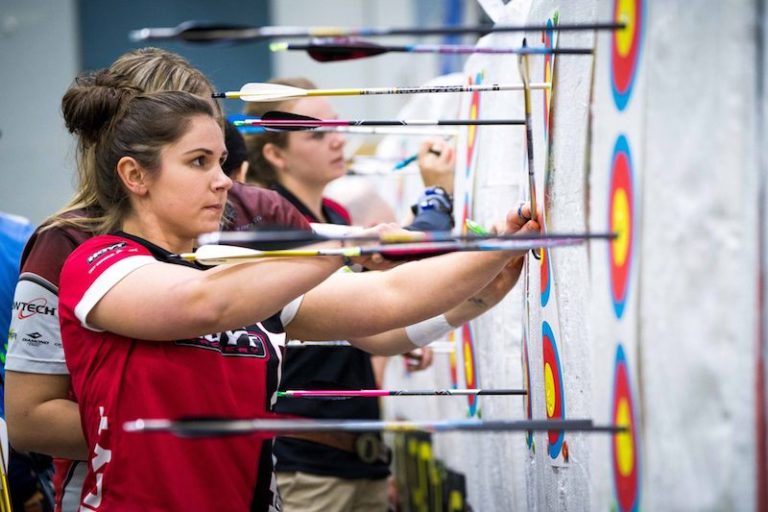
That depends on your goals. If you plan to take indoor competition seriously, you might consider a purpose-built setup tailored for shooting high scores. Large-diameter target arrows are popular because they increase the odds of breaking lines between scoring rings. In addition to the larger diameter, they’re usually significantly lighter than hunting arrows, resulting in a flatter, more forgiving trajectory at indoor distances.
You’ll also notice bows dressed with long front and rear stabilizers. These help balance the bow at full draw and settle the pin, especially under pressure. When allowed, magnifying lenses can be threaded into sights, making the target appear larger — similar to turning up the power on a riflescope.
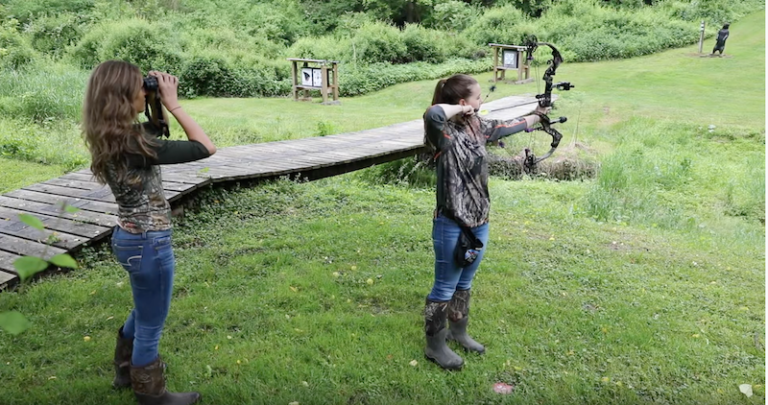
That said, you don’t need to change your setup to switch to indoor archery. Using your hunting setup indoors is one of the best ways to stay honest and hunt-ready. It reinforces the real-world pressure you’ll encounter when drawing on a deer and ensures nothing on your rig gets ignored for months at a time.
One of the biggest mental adjustments when transitioning to indoor archery is aiming at small bullseye targets. Compared to a deer’s vitals or a 3D target, the small circles that make up a target face can feel unforgiving. If you’re not focused on executing a proper shot, target panic can quickly become an issue. When archers feel pressure to hit the exact center, they often send a subconscious “now” signal to their trigger finger, resulting in a punched release and bad habits.
The fix is simple but not always easy: let the pin float. Accept that it won’t remain perfectly still. Focus on pulling through the shot and executing clean back tension. I like to imagine a “push and pull effect,” where my bow hand pushes towards the target while my release hand pulls away from the riser. A well-executed shot with a floating pin will always beat a forced shot. If you’ve been shooting 3D targets for the past few months, shooting at a target face might feel foreign.
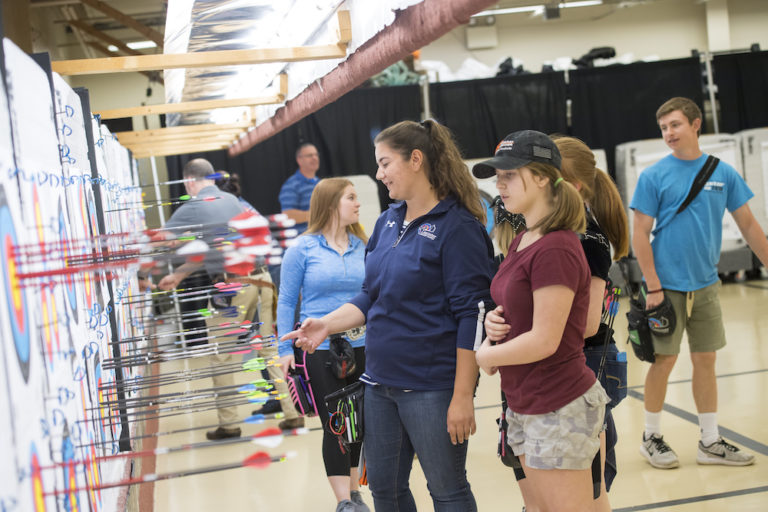
Indoor leagues are one of the best ways to plug into your local archery community. You’ll meet archers of all skill levels, swap gear ideas and get hands-on time with equipment you might not otherwise try. It’s a relaxed environment that encourages learning and a great reminder that archery is supposed to be fun. Plus, you might meet a new hunting partner at your local pro shop.
Whether you’re chasing podium finishes or just trying to stay sharp until fall, indoor archery bridges the gap between seasons. You don’t have to reinvent your setup or change how you shoot — just keep showing up and releasing arrows. The work will pay off next fall.