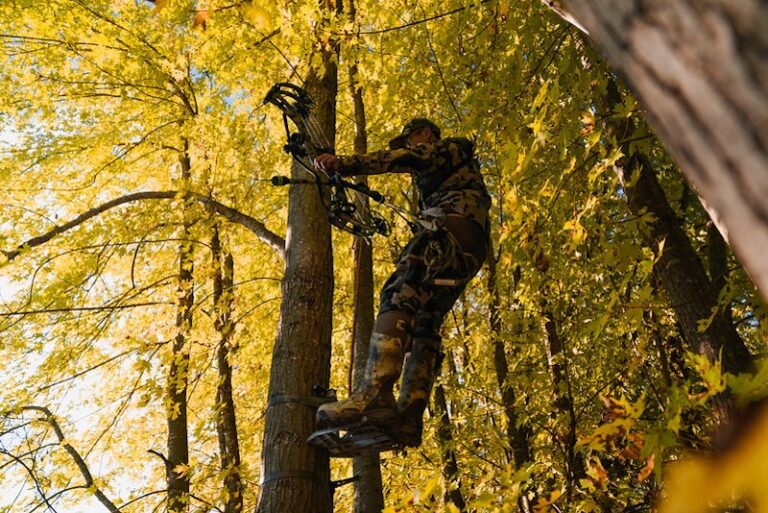
They call it bowhunting, not bowkilling. Most days in the woods don’t end with a filled tag. Even during the rut, when hormone-crazed bucks are supposed to be running around everywhere, you can still sit all day without a deer sighting.
Archers enjoy a long hunting season that provides a variety of opportunities to observe deer in their natural life cycle. During the early season, deer are primarily focused on feeding. During the rut, bucks are mostly interested in breeding And during the late season, activity reverts back to mostly feeding, with some limited rutting activity, particularly in good deer habitat where doe fawns breed during their first season, coming into heat about a month after adult does.
But these transitions from feeding to breeding and back to feeding have overlap. Your buddies an hour away might see bucks running around while you’re watching nothing but empty woods because the rut just hasn’t kicked into gear yet in your area. But it won’t be long.
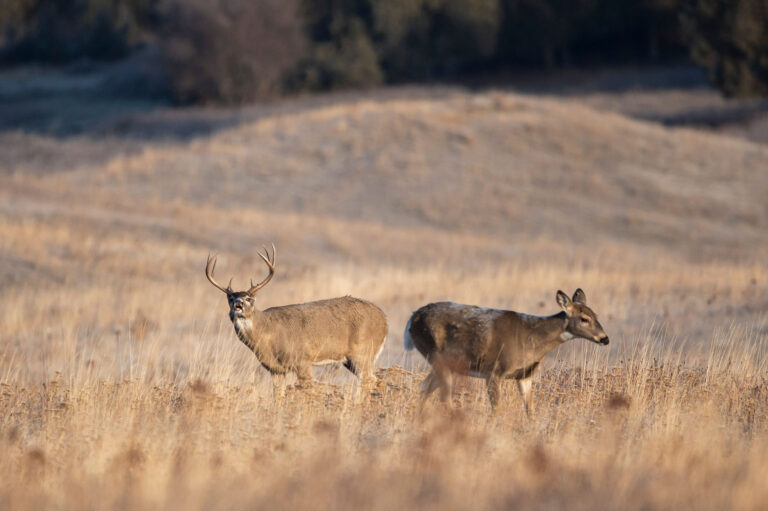
During the early season, when feeding is most important to deer, hunting along field edges or food plots is a solid strategy. They remain effective as the rut kicks in as well, as bucks will be where does are, and does continue to feed throughout the season, mostly at dawn and dusk. But during the rut, bucks are on the move, looking for does; they’re ready to breed now! They’re not content to wait for does to come out at night. So hunting the travel corridors, where bucks have secure cover in their hunt for does, is a good strategy. So is hunting just downwind of doe bedding areas. Be willing to move stand locations, based on whether bucks are most interested in feeding or breeding.
Even if you think you’re set up in the right spot, you can still endure deer-less sits. Bucks are impatient for the first doe to come into estrus, and when she does, it’s not unusual to have several bucks courting her. So while one hot doe is getting all the attention, the remaining area can be devoid of bucks as they all chase the same doe.
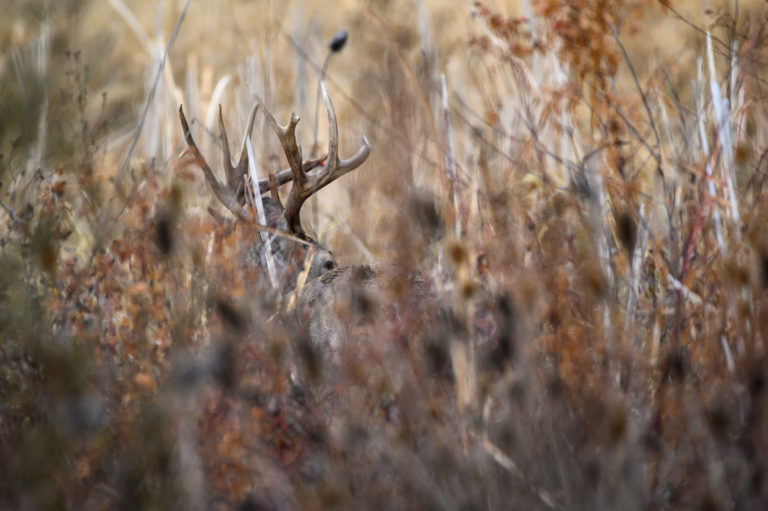
And then there’s the “lockdown” idea. A buck can tell by smell that a doe is nearly ready to breed. When he knows she is close, he will not leave her alone for 24 to 48 hours. During that time, he will stay with her and move only when she moves, although he may chase her around a bit. But he’s not out searching for other does; he’s locked down with the same doe. If she stays in a relatively small core area, you’re not likely to see them unless you’re right on the X.
The word “lockdown” can be a misnomer. True, a buck with a doe that’s ready to breed isn’t likely to move much. But at any given time during the peak of the rut, there will be multiple does coming in and out of estrus. So while there may not be much deer activity where a buck is with a doe that’s ready to breed, there might be several bucks running around seeking does in an adjacent area.
Your overall deer population and your buck-to-doe ratio also play a part in how many deer you see. In places with sparse deer numbers, you’re already working with slim odds, and if a buck’s tending a doe, deer sightings can vanish altogether.
Also, if does outnumber bucks in your hunting area, bucks will have all the does they want, so they don’t have to go looking for them. In areas with a more balanced buck-to-doe ratio, does may be harder to come by, and subdominant bucks will be pushed away by dominant animals that want to retain breeding rights. So you’re more likely to see bucks on the move, seeking does.
A lot of variables determine buck location during the rut. Not every hunt will be packed with action, but when you’re in the right place, that next flicker of movement could be the one you’ve been waiting for.