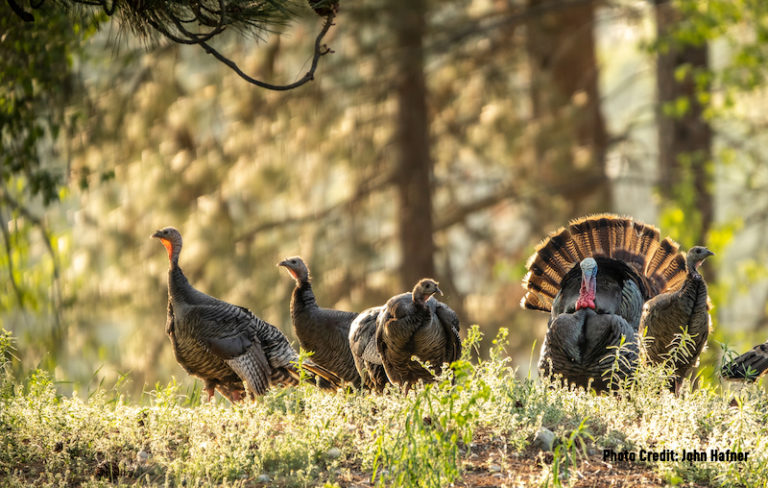
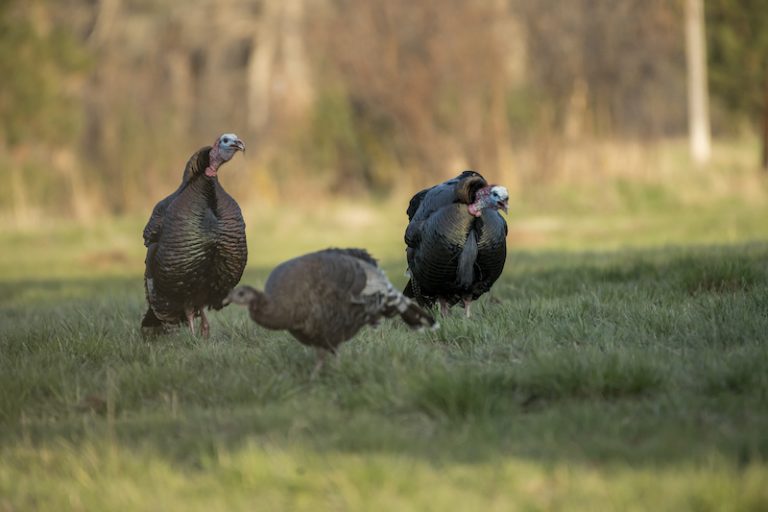
Bowhunting spring turkeys is one of the most challenging ways to chase America’s favorite game bird. If you’ve spent years behind a shotgun, switching to a bow adds new challenges to the hunt. Instead of a forgiving pattern of pellets, you’re relying on executing a perfect shot at a small vital zone of a bird that’s likely rattled your nerves by gobbling and drumming into range. Inevitably, bowhunting turkeys means most gobblers will get away. But with the right tactics, gear, shot selection, and—most importantly—, patience, you can get even more out of bowhunting by extending your season into spring.
A turkey’s vitals are surprisingly small. The heart and lungs sit directly above the leg joint and just behind the wing bone. When you picture that area on a standing bird, the effective target is roughly the size of your fist. With that in mind, broadhead choice is a critical consideration for bowhunters.
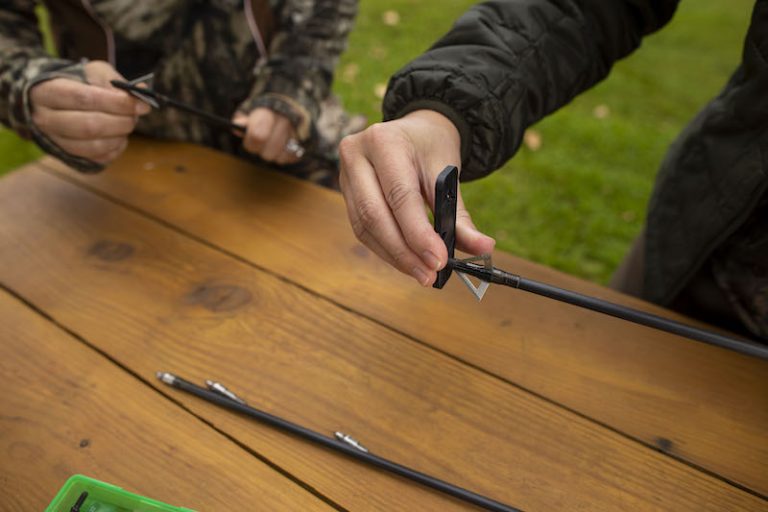
I prefer expandable broadheads with a minimum cutting diameter of two inches. The large cutting diameter is forgiving, and because turkeys don’t have heavy tissue or skeletal structure like deer or other big game, penetration isn’t a concern. But don’t be fooled – turkeys are be surprisingly tough birds. When hit poorly, turkeys can run long distances or even take off and fly which can quickly diminish odds of recovery.
Some bowhunters take a different approach and aim for the neck using guillotine-style broadheads. These heads often span over three inches and use four blades to sever the spine and arteries in the neck. It’s an incredibly effective method when it works, but it leaves very little margin for error. If you plan to use a guillotine broadhead, make sure you sight in your bow with a pillow or rolled-up blanket. Standard archery targets aren’t built for that much blade surface area and you’ll ruin your target and broadhead in a hurry if you shoot into dense foam.
Once you’re sighted in, it’s important to prepare for the various shot angles you’ll encounter in the field. I like to practice with a 3D target that replicates a turkey’s anatomy. If you don’t have a target, visit your local bow shop, as many have ranges and will allow you to shoot for a small fee. Seek out the turkey targets in full strut and walking, as both positions are commonly encountered. Below are the best shots to prep for:
A hub-style pop-up blind is one of the best tools you can bring to the woods. Turkeys have excellent eyesight, and the biggest challenge with a bow is getting to full draw undetected. A blind eliminates most of that problem. I like to draw low inside the blind and slowly raise the bow to the window once I’m already at full draw. This minimizes movement outside the blind and keeps the bird focused on your decoys instead of your silhouette.
You don’t have to hunt turkeys from a blind. If you enjoy the run-and-gun style of spring turkey hunting, taking a bow without a blind is the ultimate challenge. In that situation, cover becomes critical. Set up against a tree or brush pile and use a decoy to draw the tom’s attention away from you.
Ideally, the bird will commit to the decoy and enter full strut or begin flogging it. When that happens, that’s your window to slowly draw your bow and prepare for the shot.
If you’ve only hunted turkeys with a shotgun, bowhunting them is a completely different experience. The margin for error is smaller, the encounters are closer, and the challenge is significantly greater. It’s one of the most exciting and rewarding hunts you can have.