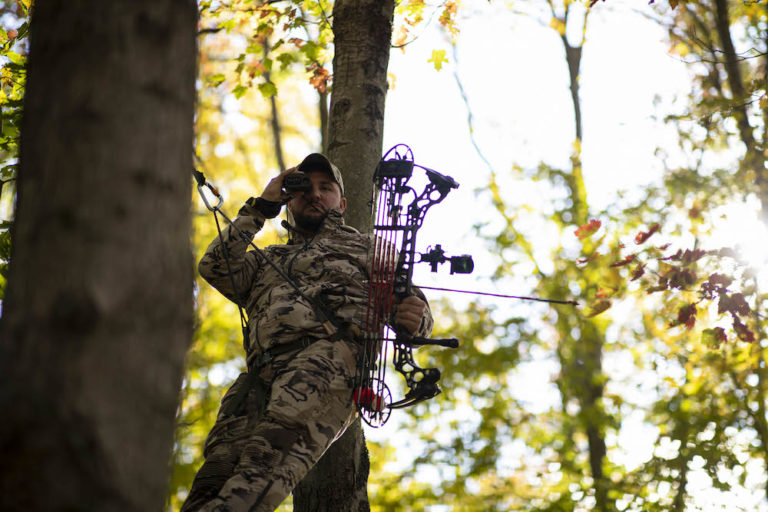
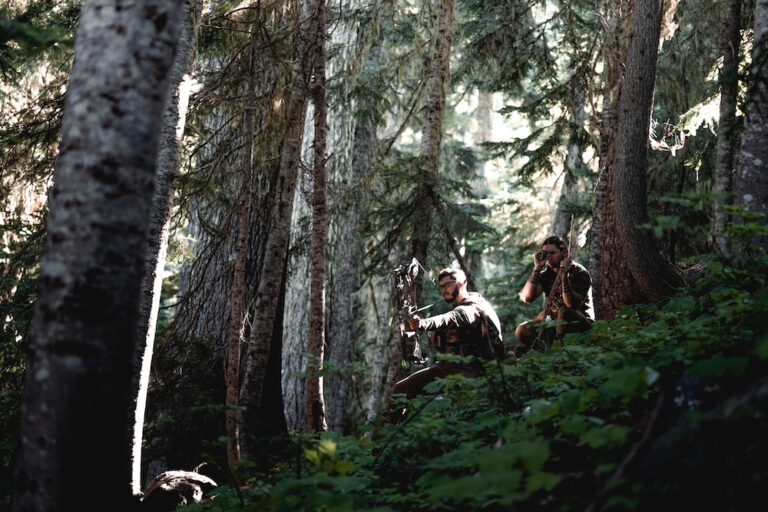
We’ve watched this fight over the Roadless Rule play out for a year now — through a comment period, a bill, an amendment, and now a new proposed rule. Wherever you land on the outcome, one thing hasn’t changed: this is public land, and bowhunters deserve a seat at the table when its future gets decided. Here’s where things stand, and how you can make sure your voice is part of the record.
Since last August, the administration has been exploring avenues to rescind the 2001 Roadless Rule, which protects millions of acres of federal lands from new road and reconstruction development, as well as timber harvests, across more than 44 million acres of U.S. Forest Service land.
The first move took place in 2025 when the USDA opened a public comment period for input, in which over 625,000 comments were submitted, with nearly 99% opposed to the elimination. As the USDA continued its process, the administration also began pursuing other options via Congress. In February of this year, Rep. Harriet Hageman proposed H.R. 7695 to rescind the rule, which has not yet advanced in the House.
And in June, Sen. Mike Lee attached a last-minute amendment to the Wildfire Prevention Act of 2025 to nullify the Roadless Rule — it passed the Senate Energy and Natural Resources Committee 11-9 along party lines and is now awaiting a vote on the Senate floor.
Now, nearly a year later, USDA Secretary Brooke L. Rollins announced in a recent press release that the U.S. Forest Service has filed a proposed rule to rescind the 2001 Roadless Area Conservation Rule, framing it as a barrier to wildfire risk reduction. Opponents of the rollback frequently point to a 2007 Pacific Biodiversity Institute study, which found 88% of wildfires are human-caused, with 95% igniting within a half-mile of a road. This process includes a public comment period that is open until Sept. 21.
For bowhunters specifically, the impact of a rule change is also debated, separate from the wildfire question. On one side, removing the rule would give the Forest Service more flexibility to approve new road construction in areas currently off-limits, which some hunters see as an opportunity for improved access to hard-to-reach units. On the other side are those more concerned about what new roads could bring — increased vehicle traffic, more contact with nonhunting recreationists and added pressure on game that currently benefit from limited human activity in these areas. Because roadless areas make up more than 44 million acres of national forest across dozens of states, any change to the rule has the potential to reshape hunting conditions well beyond wherever new roads are actually built.
USDA’s rulemaking process includes a formal public comment period, an avenue neither Hageman’s bill nor Lee’s amendment currently offers. That provides bowhunters with a chance to get their perspective on the official record, whatever that perspective may be. Do your homework, form your own opinion and make it count. Share this with a friend so more of us are heard, and submit your official comment by Sept. 21.
To stay up to date on everything impacting the bowhunting community, join Bowhunters United for free.