Advocacy Action Alerts


National Issues

...

Show Your Support for the Sporting Goods Excise Tax Modernization Act

02/24/2025

Show Your Support for the Sporting Goods Excise Tax Modernization Act

This bipartisan legislation provides a fix for our industry's Federal Excise Tax slippage problem by requiring internet marketplace facilitators to collect and remit the required FETs on imported products sold through them to U.S. customers.

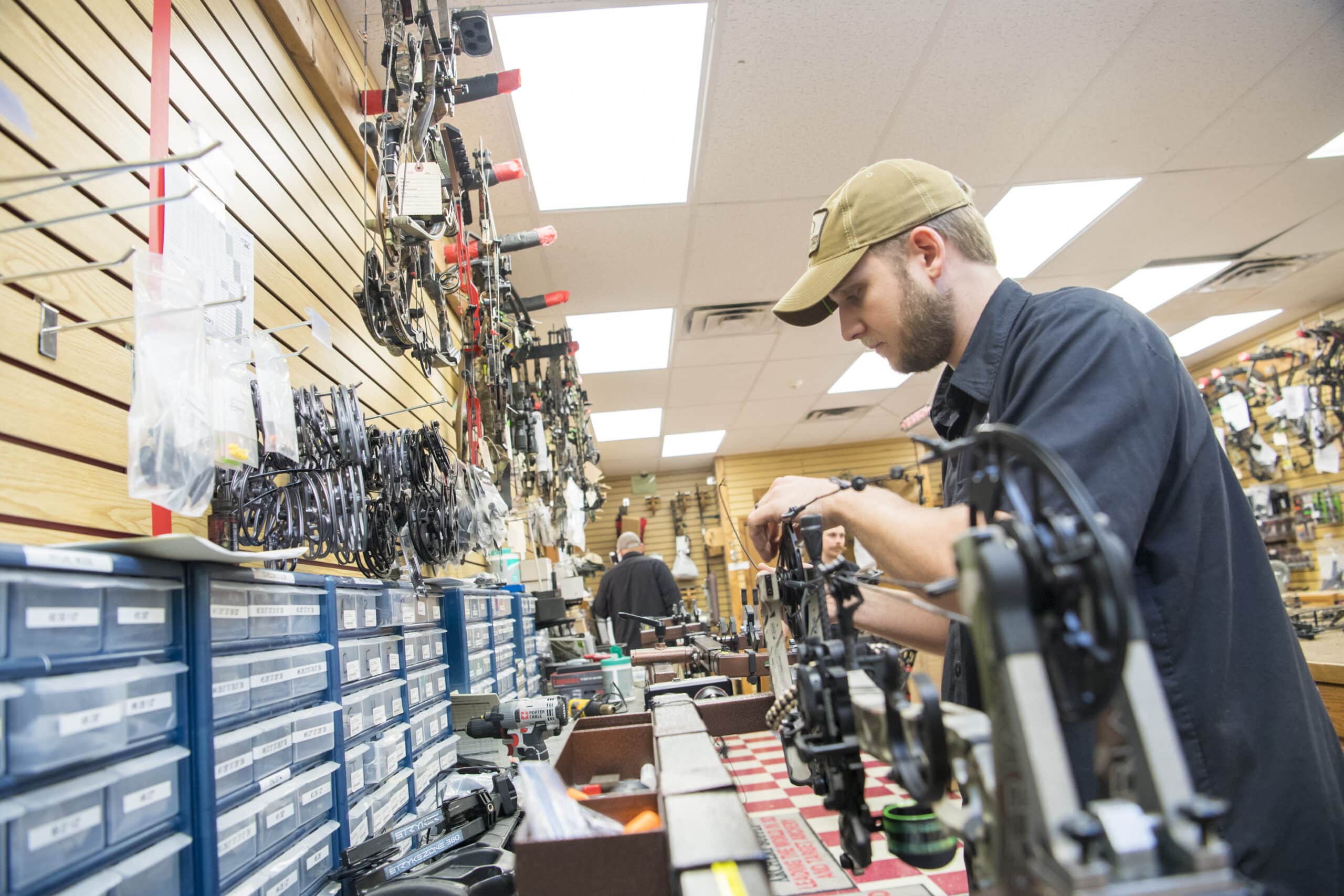
As you are clearly aware, pursuing a fix to the FET slippage Issue in Washington, DC is one of the Archery Trade Association’s priority issues for 2025. FET slippage describes the loss of federal excise tax dollars because of internet marketplace facilitators like Amazon, eBay and others brokering purchase deals from foreign manufacturers selling directly to US consumers. FETs go unreported in these transactions due to outdated laws and regulations not holding the foreign manufacturer or facilitator responsible.

Please join BU by adding your business or organization to the growing list of supporters.

Thank you in advance for sending a personal message to your United States Representative asking them to support passage of H.R.1494, the Sporting Goods Excise Tax Modernization Act.

...

FET Tax Slippage: Unfair Advantage and Lost Dollars for U.S. Hunting, Conservation, and Archery Manufacturers

09/05/2024

Federal Excise Tax Issues Slippage

Millions of federal excise tax dollars are being lost to foreign suppliers who sell “direct to U.S. consumers,” and avoid paying the excise tax US based manufacturers pay in support of hunting and conservation funding.
What is Federal Excise Tax (FET)?

A 10- to 11-percent tax manufacturers pay on the first sale of firearms, ammunition and some archery equipment established by the Pittman-Robertson Act.

What is FET Slippage?

Federal excise tax avoidance

In short, millions of federal excise tax dollars are being lost each year when foreign manufacturers sell products “direct to U.S. consumers” mainly through the internet. Over 55 conservation organizations have joined together to notify the Senate and House to take corrective action against this unfair practice. They hope to see legislative action within the next year.

  1. WHY IT’S IMPORTANT TO YOU:

Although this is a tax, bowhunters, conservation efforts, and wildlife DIRECTLY benefit from those tax dollars. All of the FET revenue is collected by the IRS, then sent to the U.S. Fish and Wildlife Service, where it is distributed to EACH state wildlife agency.

FET dollars are applied to:

  • Habitat Restoration
  • Hunter Education
  • Wildlife Research
  • Public-access Programs
  • High-Priority Nationwide Conservation Projects

This tax directly benefits bowhunters by ensuring they have places to hunt and animals to pursue.

...

Keep Management Jurisdiction for Gray Wolves Where it Belongs!

06/20/2023

Management for Gray Wolves

A fix-all solution from the federal office would devastate gray wolf populations, ecosystems, and communities across the Northern Rockies. Successfully recovered and delisted from the Endangered Species Act in 2020, gray wolf management belongs in each individual state’s hands.

After the federal delisting by the Trump Administration, management authority was returned to the states. Under new state management, impacted communities were given flexibility and protection to determine how to best protect livestock and native species while preserving gray wolf populations. Giving management control back to the states empowered local-led, science-based conservation efforts, instead of politics, and provided aid to farmers, ranchers, and families. It is proving to be one of the greatest success stories to date for the Endangered Species Act. Ecosystem balance returned when states were equipped to conserve deer, elk and livestock herds to best fit their needs.

Gray wolves have their own unique impact on their environments across the Northern Rockies. Please join Bowhunters United, farmers, and hunters across the Rockies and urge federal legislation to keep state jurisdiction for the management of gray wolf populations across the communities of Montana, Idaho, Wyoming, Colorado, Utah, and New Mexico.


State Issues

...

Disguised Michigan Bill Neglects Best Interests for Deer and Elk in Expanded Wildlife Feeding Proposal

06/01/2023

Michigan

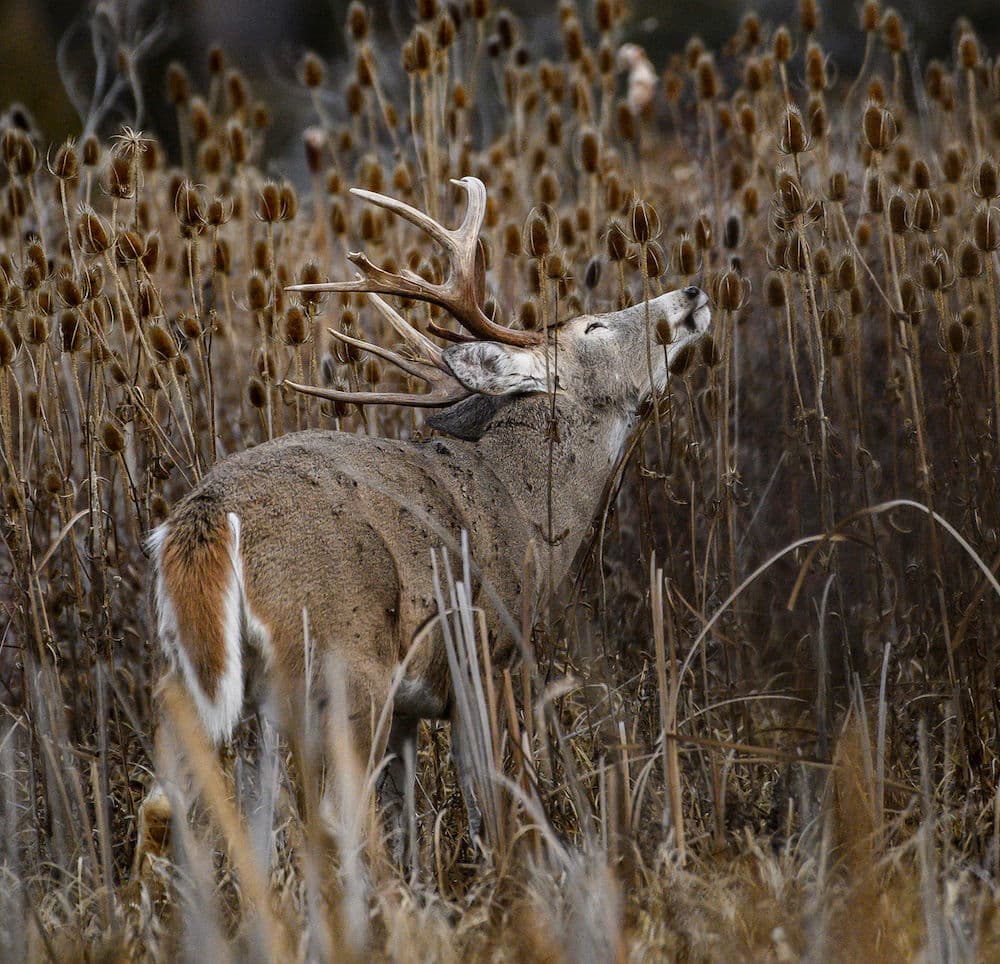
Taking authority away from the Natural Resources Commission, Michigan HB 4593 would allow individuals to feed wildlife, including deer and elk, if the feed is located within 300 feet of a residence and there’s no more than two gallons at any given time. We must stop this bill to avoid creating wildlife food dependencies, disruptions and too-close-for-comfort encounters with humans.

The bills deceiving motive is to prevent wildlife from “starving” and increase recreational viewing pleasures. If passed, the bill would concentrate wildlife in small spaces, create a food dependency on human food sources, disrupt natural migratory patterns, and “tame” wildlife which could potentially put lives at risk. Landowners would ultimately become the primary caretakers of deer, elk and additional wildlife native to Michigan.

So, what happens when a recreational viewer leaves home for a few days and isn’t around to refill their feeders? The wildlife they programmed to come to their yards will go hungry because they learned to rely on an unreliable food source.

This bill would enable unnatural behaviors in wildlife and take decision-making power away from the wildlife professionals who know their state’s wildlife best, the NRC.

...

Connecticut Fails to Gain Their "Bear"ings on Black Bear Management

06/02/2023

Connecticut

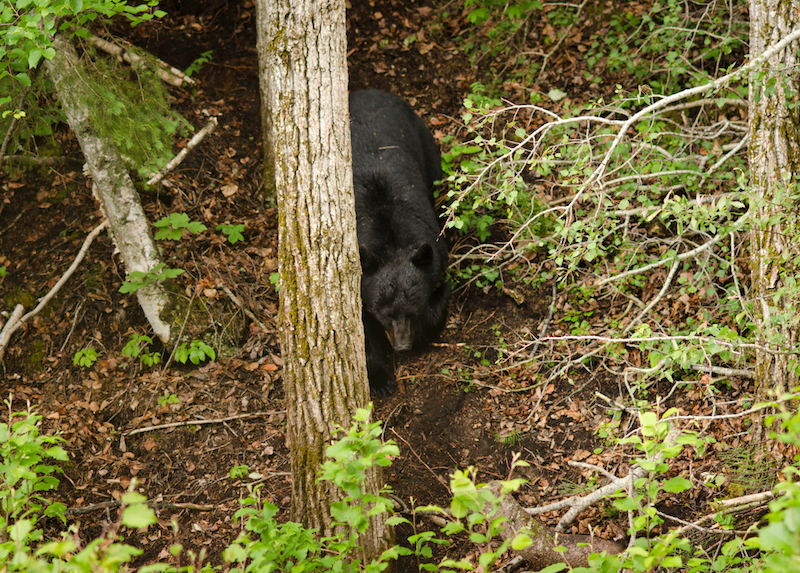
Currently, in the state of Connecticut, it’s illegal to hunt or trap black bears. The state had another opportunity to implement a science-based management strategy but let it slip through the cracks. Residents report multiple bear attacks and property damage claims, giving state lawmakers more reasons to give bear hunting a go.

The strategic science-based management of the black bear population of Connecticut is slim to none. This past year, the state missed the opportunity to implement SB 1148, which would’ve authorized the Commission of the Department of Energy and Environmental Protection to approve regulations that would establish an annual bear hunt lottery season in Litchfield County. Instead on May 18, 2023, the Joint Committee on Environment removed language that would have established a lottery for the harvest of 50 black bears. The state fails to take responsibility for its overpopulation of bears and will continue seeing a rise in property damage and attacks on humans and their pets.


The Hard Facts:

  • Attacks:
    • August 19, 2023: A 74-year-old woman encountered a bear while walking her dog and was attacked just outside of Hartford. She suffered multiple bite wounds.
    • October 16, 2022: A 10-year-old boy playing in his grandparent’s backyard was attacked by a 250-pound bear that tried to drag him out of the yard by his leg.
  • Population Management:
    • Compared to hunting, population control alternatives like contraception and sterilization are expensive, are funded by state resources, require significant manpower, and have not proven to be an effective method of managing free-range populations.
    • Outside of humans, bears don’t have any known predators. An overpopulation of bears can lead to food scarcity, cannibalism and increased competition, resulting in more injuries and health declines.

Adopting a bear hunting season would reduce the likeliness of human-to-wildlife conflicts, boost funds to the American System of Conservation Funding, and re-establish a powerful bear management tool for DEEP.

Bowhunters United will continue to monitor and support bills in the upcoming legislation year that aid in the reformation of Connecticut’s bear management strategies.


JOIN THE ONLINE COMMUNITY FOR BOWHUNTERS

Bowhunters United is the PREMIER
national organization dedicated
exclusively to serving your unique
needs and interests as a bowhunter.

@bowhuntersunited.

FOLLOW US NOW

We are Proudly Endorsed by